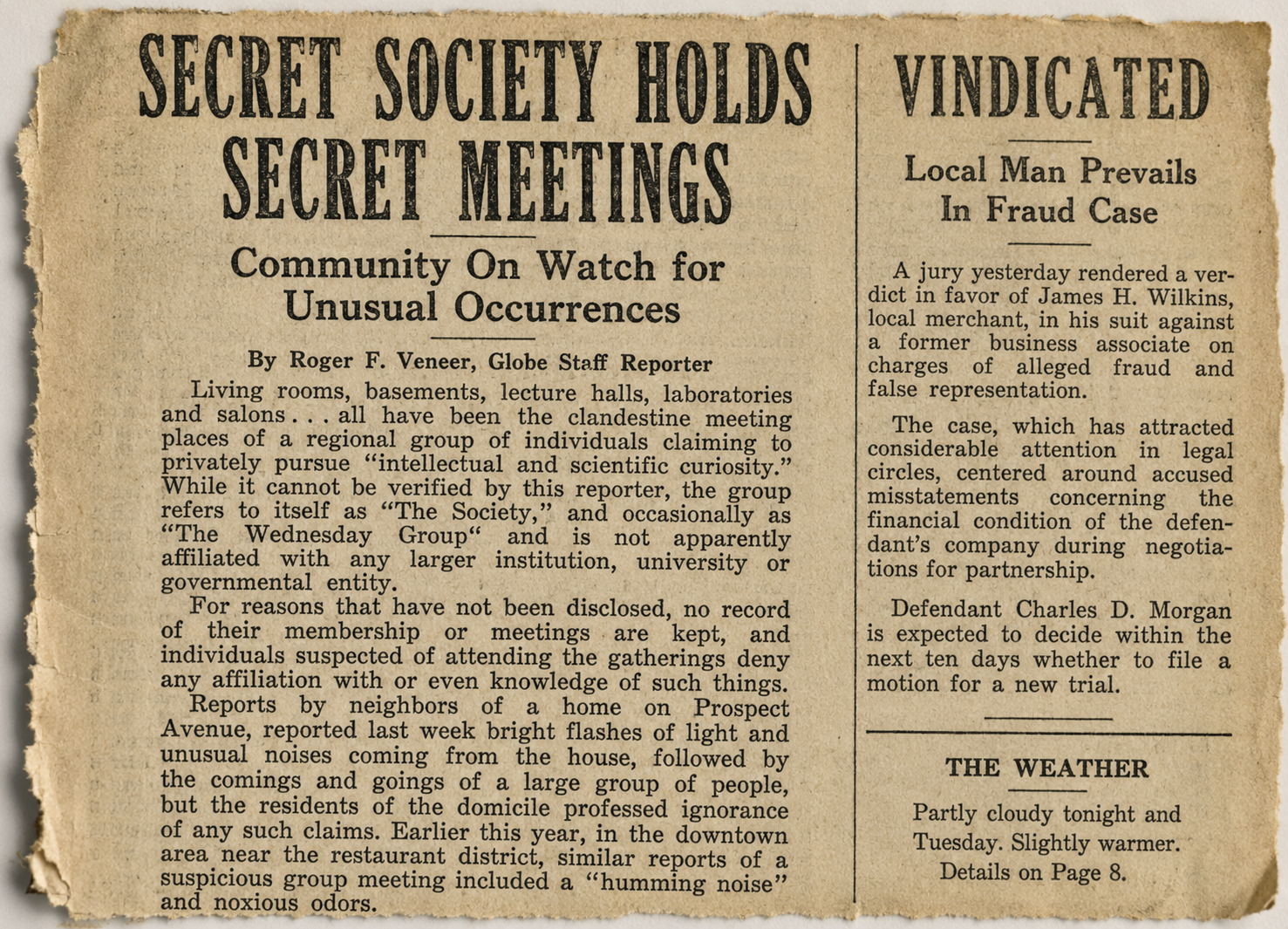
The rumored existence of a secret society devoted to the pursuit of arcane knowledge—holding secret meetings over the course of nearly 100 years to explore intellectual curiosity and the overall improvement of the mind—has, over time, slipped from legend into lore.
With supposed origins during the “Gilded Age,” between the American Civil War and the turn of the century, little, if any, verifiable historical documentation exists to validate stories of any such organization or the curious secret sessions it held.
While the name may have originated from the designated day of meetings, eventually no fixed day was important. Speculation has arisen that the name was chosen as a classical reference to the Norse god Woden/Odin—from whom the name Wednesday originated—a powerful god linked to magic, poetry, and knowledge.
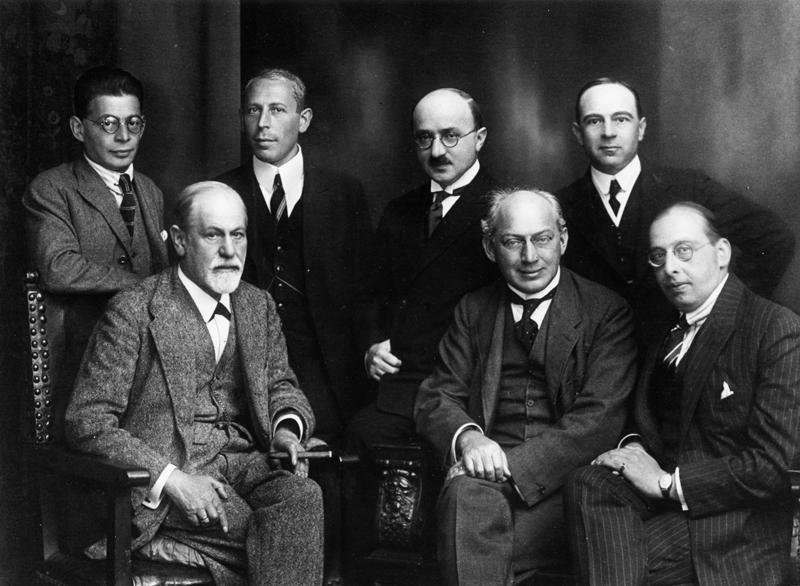
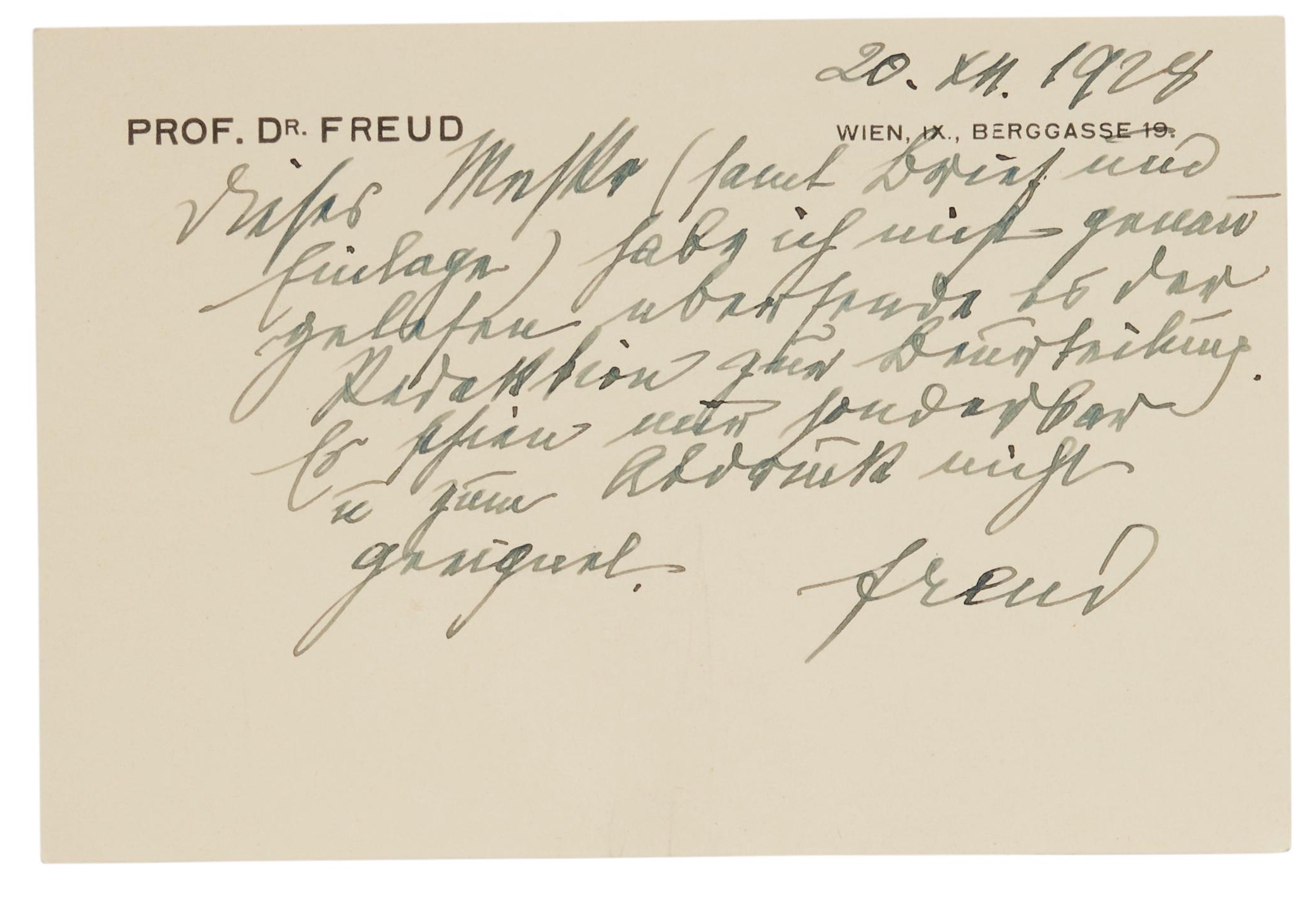
The Society had reportedly been in existence for several decades when, concurrently—but, as far as can be determined, independently—in November 1902, Sigmund Freud wrote to colleague Alfred Adler to invite him to his home to join other preeminent psychiatrists and laymen in what became known as the Wednesday Psychological Society. New members were invited only with the consent of the entire group. Shortly thereafter, in an attempt to resolve some of the disputes arising among them, Freud officially dissolved the informal group and formed a new one under the name Vienna Psychoanalytic Society.
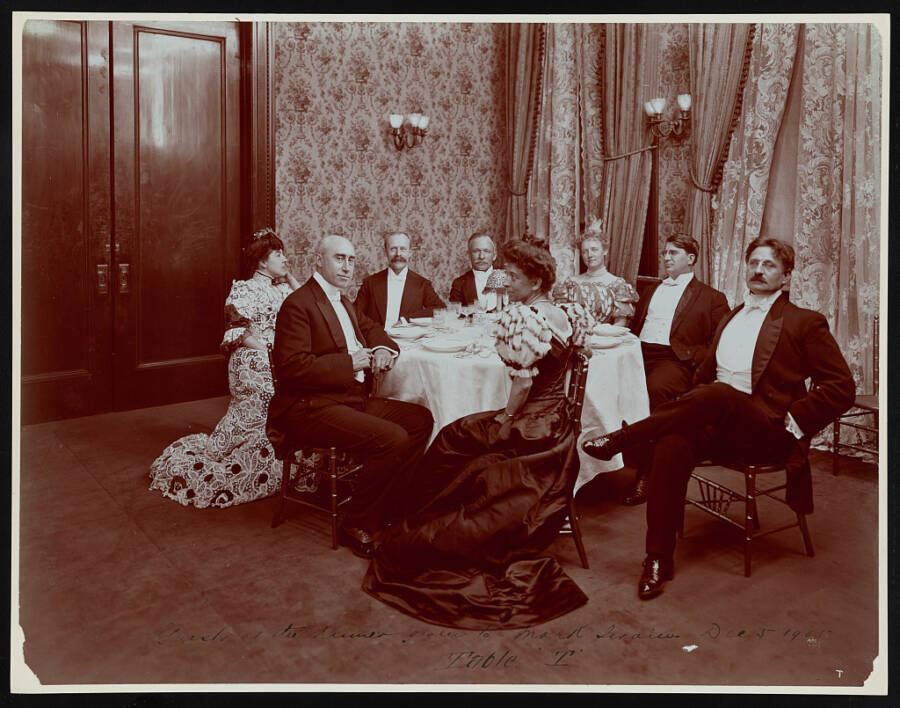
Meanwhile, the American Wednesday Society suffered no such rancor, change in name, or official status. Indeed, the arrival of the new century and a rush of progress in technology, medicine, the arts, and the social sciences was apparently responsible for a surge in membership, as well as in the number of Wednesday Society meetings in the United States.
Reports of scientific demonstrations of technologies and theories decades ahead of their eventual acceptance and adoption were common, as were lectures on topics rarely discussed among the general public.
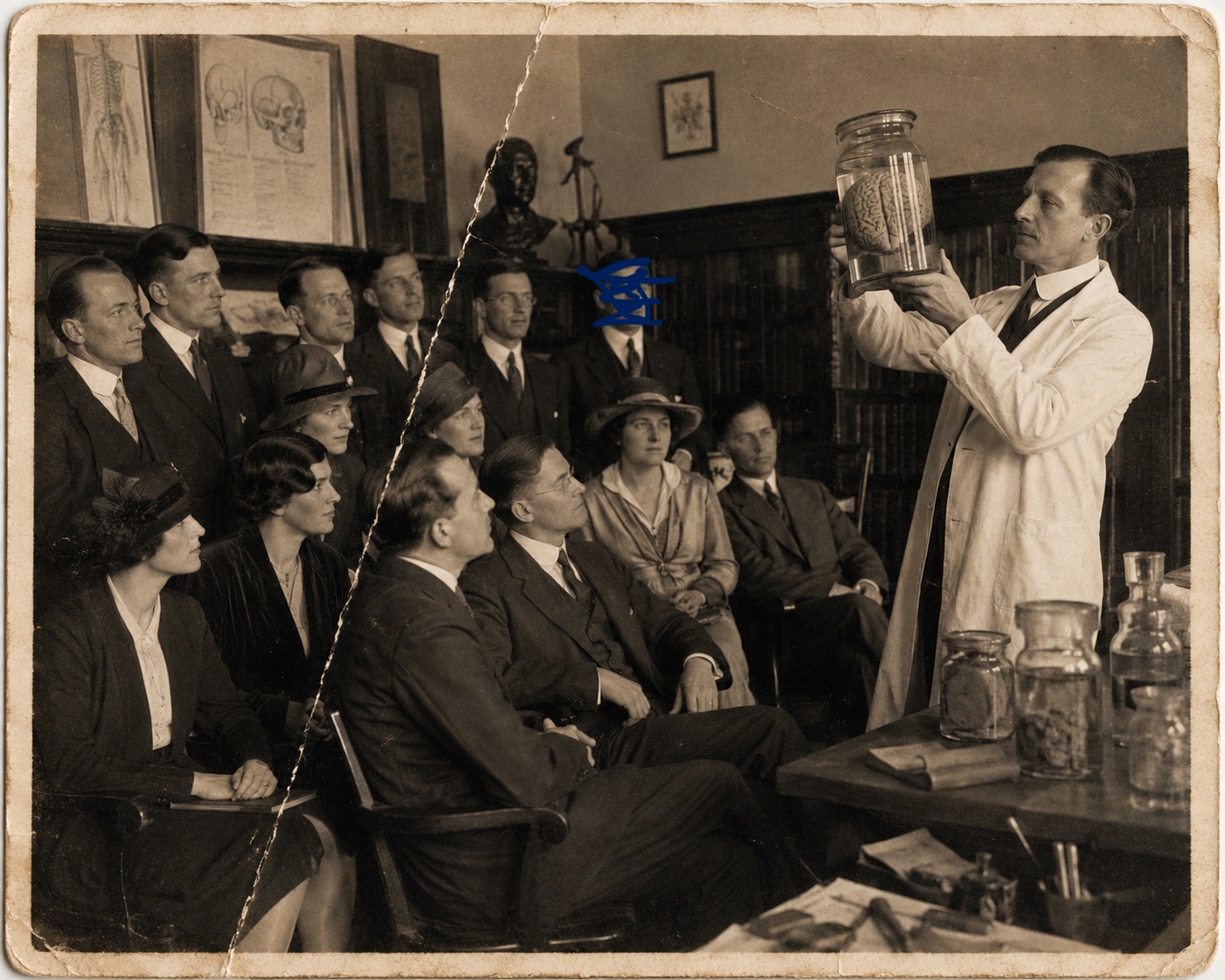
Records show that, on occasion, some meetings were made public when they were newsworthy enough to gain attention, but any mention of the Wednesday Society was omitted, members even leaving their distinctive lapel pins at home. Secrecy seemed to be a function of what was considered the controversial nature of the meeting topics at the time—topics that had the potential to inspire fear or outrage, as they frequently ran counter to the concepts and beliefs popularly accepted by the public.
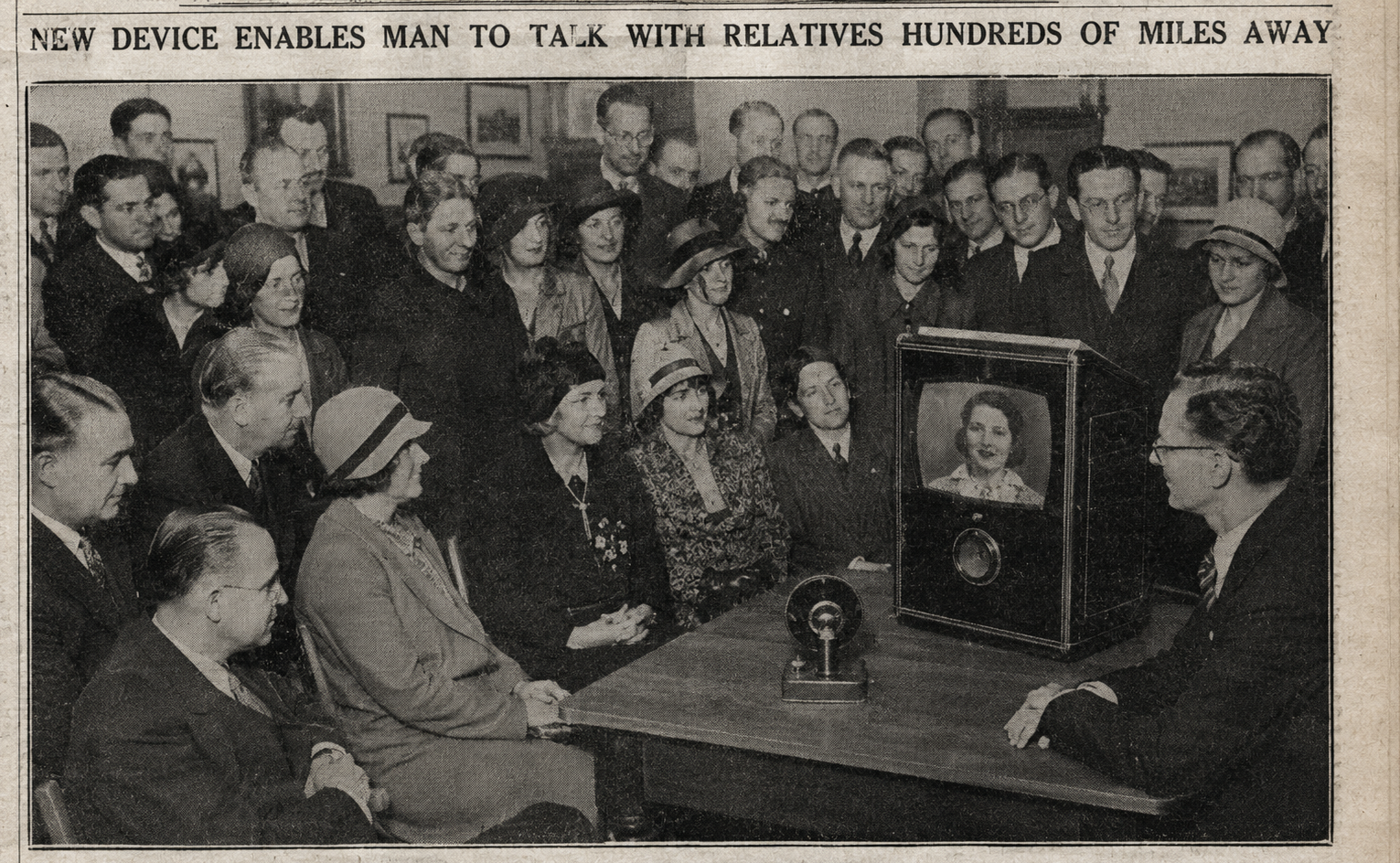
Members kept their knowledge to themselves for the most part, although many notable individuals seem to have made contributions in their fields that could only be explained by their exposure to information and ideas gleaned from Society sessions. It is difficult to determine what advances may be attributed to unusual ideas, information, and theories presented privately to a diverse group of members.
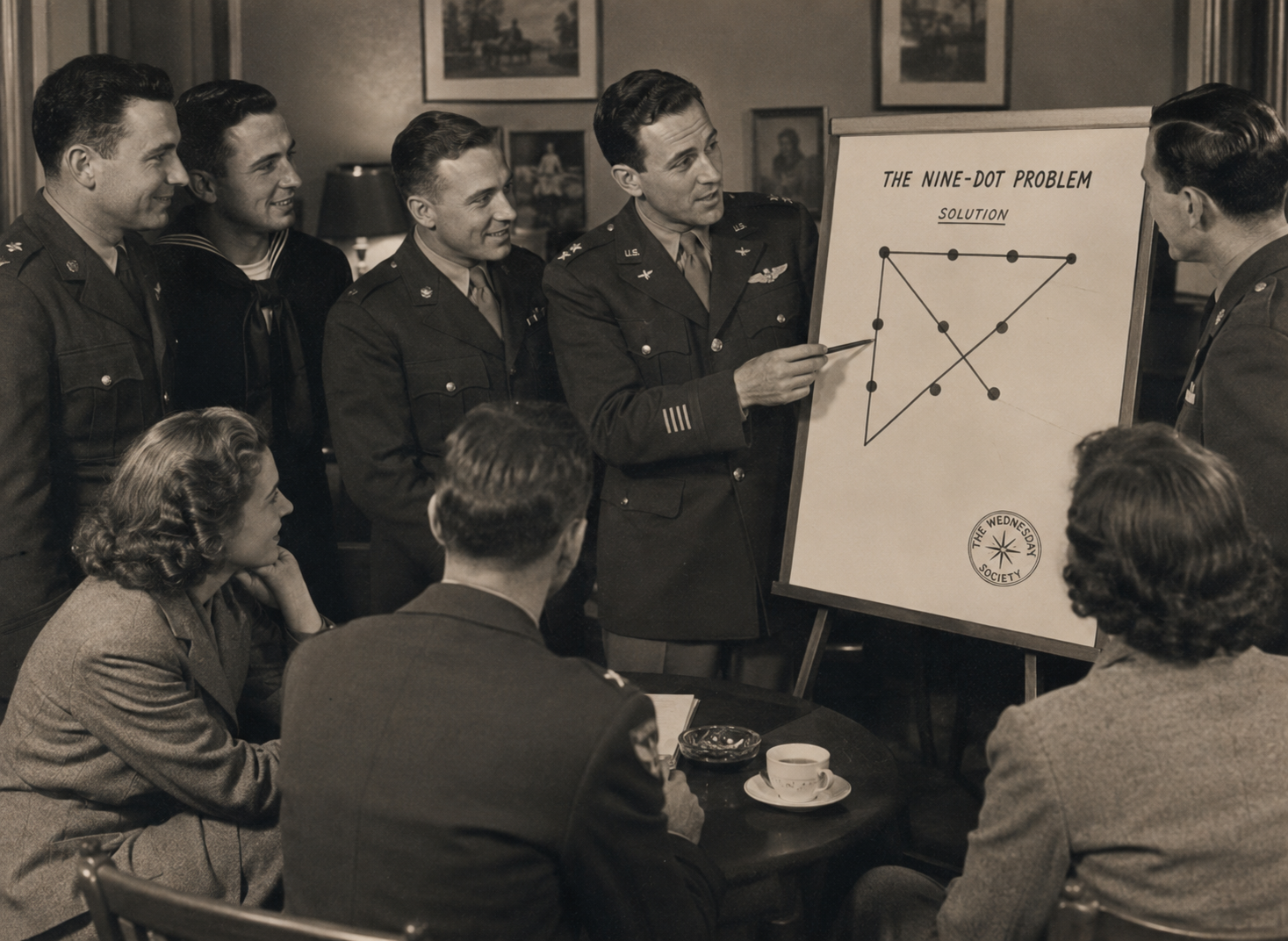
The complete disappearance of the Wednesday Society seems to stem from two factors converging in the middle of the last century. First, the growing trend of anti-intellectualism made affiliation with such an entity dangerous, as McCarthyism swept through America with a chilling effect on public as well as private groups championing enlightenment and critical thinking. Indeed, it is more than likely that the very existence of something like the Wednesday Society became a focus of those fomenting the unfounded fear of the “Red Scare,” with its members already targeted for blacklisting.
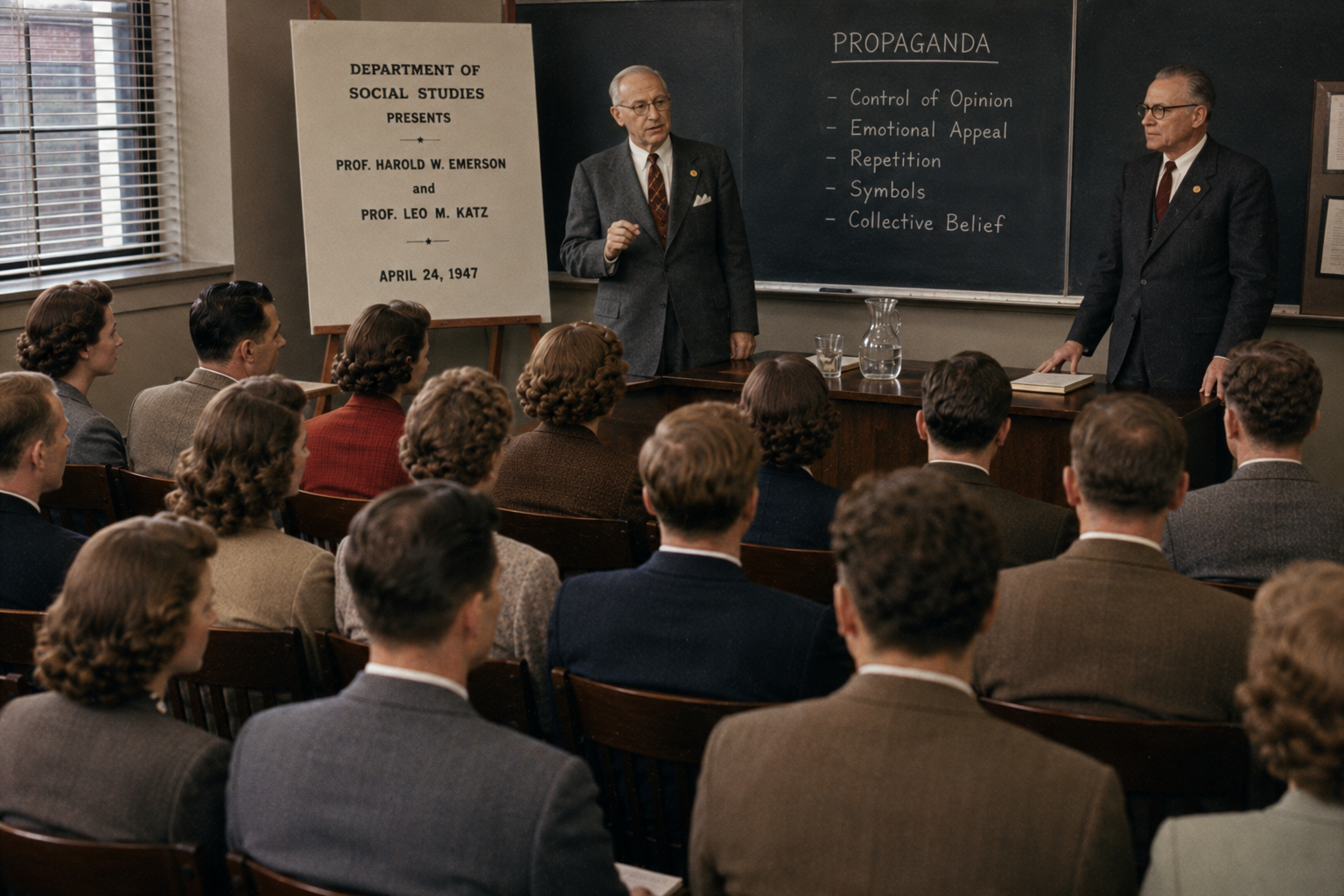
The final blow was the dawn of the Information Age—or at least the rise of mass media—which fought for the attention of the public and could deliver new ideas and information, not all of them good, with unprecedented efficiency. Like live theater and cinema, in-person meetings—even secret ones—suffered a drop in attendance as people chose to stay in their own homes to learn and be entertained.
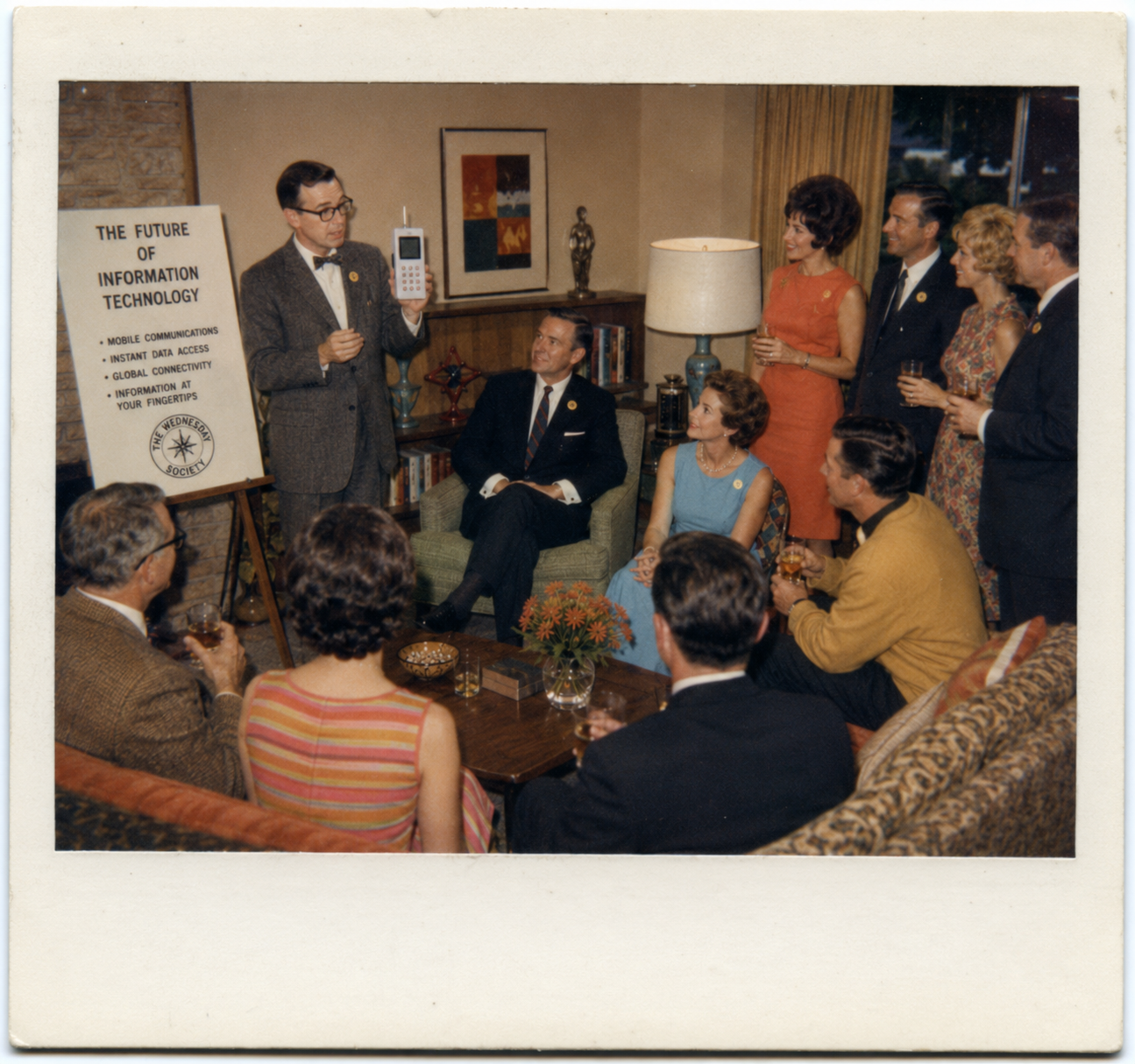
But the end came for certain at a breaking point in American history. What would prove to have been the last scheduled meeting was to take place toward the end of 1963. During that Thanksgiving weekend, a preeminent mentalist of the day—known from television and personal appearances—was to present a demonstration of telepathy, psychokinesis, extrasensory perception, and psychometry: an exploration of mysteries of the mind dubbed “The Synchronicity Sessions.” Due to the tragic events surrounding the assassination of President Kennedy less than a week earlier, the event was canceled. The world never had a chance to experience what the Synchronicity Sessions might have revealed, as its presenter died tragically before the end of that year.
Today, the search for truth and new knowledge takes on a more profound meaning, as the ubiquitous nature of unfiltered and unverified information from social media, the general disregard for facts and truth, and the difficulty of authenticating material convincingly created by A.I. have blurred the lines of inquiry and discovery. Perhaps today something like the Wednesday Society is needed as much as, if not more than, during its legendary appearance and ascendancy.
Perhaps the better question is not whether the Wednesday Society ever existed.
Perhaps it is whether it should exist again.